


Best Greece Tours For Relaxed Holidays
Greece rewards every kind of traveler, from couples on a honeymoon to families with curious children. Friends traveling together and solo visitors find just as much to love. Greece tours make the journey easier, because someone else plans the boats, the roads and the tickets. That leaves more freedom for sun, food and history.
This friendly guide walks through the main regions, the sights worth seeing and the kinds of tours on offer. It also explains the comforts that come with each trip, such as meals, guides and swim stops. Readers who want more ideas can browse My Greece Tours before they choose a route.
What Are The Best Greece Tours In The Cyclades?
The best Greece tours in the Cyclades mix island hopping, boat trips and village walks. They show off white houses, blue seas and quiet beaches at an easy pace. Many visitors compare Greece tours and Tours In Greece before choosing their island days. That way, each day matches the mood of the trip.
What draws travelers to the Cyclades?
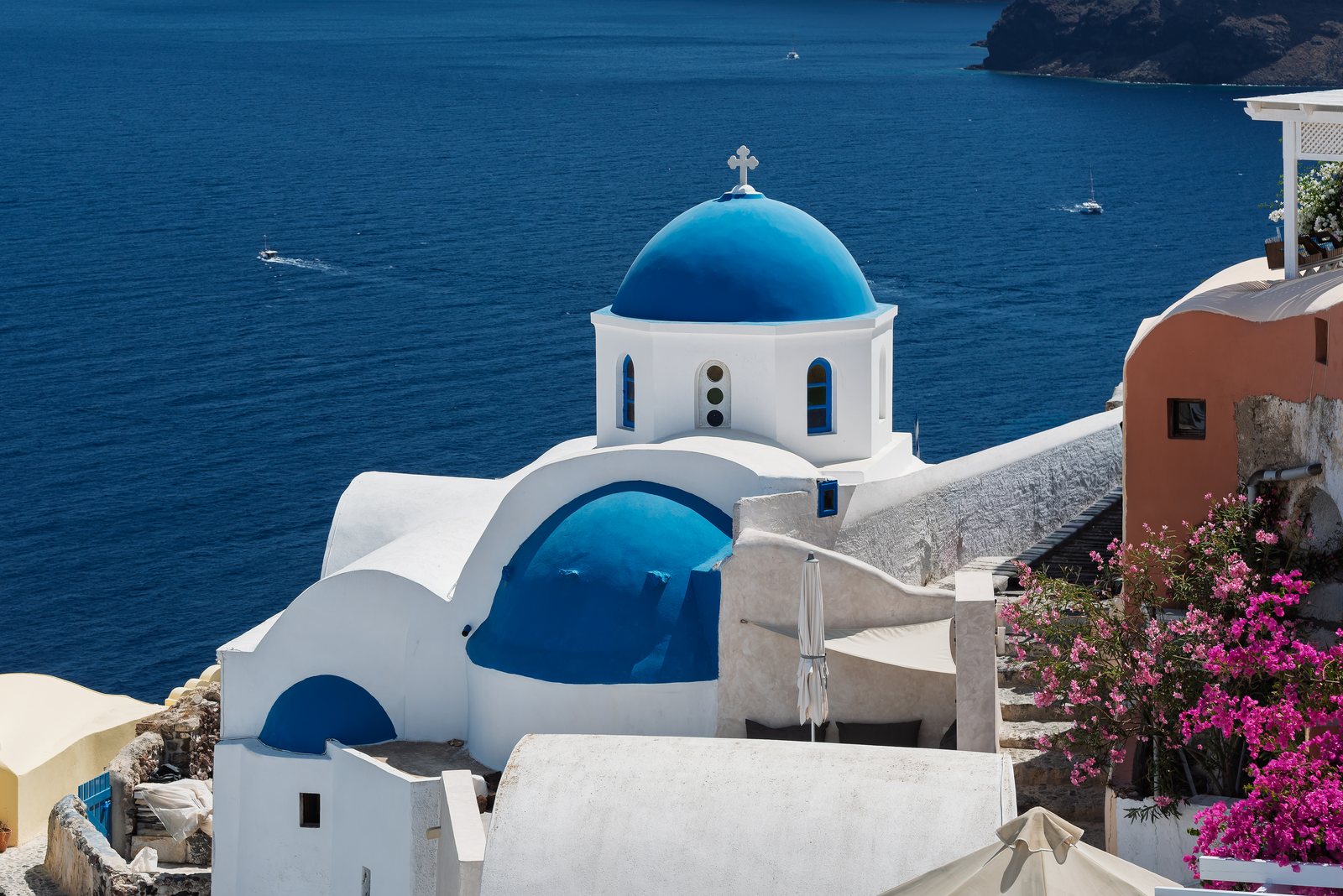
Santorini is the island most people picture first. Its cliff villages hang above a deep blue bay that formed after a huge volcano blew apart long ago. White houses, blue domes and narrow paths make every walk feel like a postcard. Sunset here draws crowds, so many travelers watch it from a quieter terrace.
On Mykonos, old windmills stand on a hill above the town and catch the evening wind. A short boat ride away lies Delos, an island sanctuary, or holy place, where ancient Greeks came to pray. Its ruins of temples, homes and mosaic floors give visitors a real sense of daily life long ago.
Milos is famous for its sea caves, where small boats slip through rock arches above glassy water. On Naxos, the old town climbs a hill to a castle built by Venetian rulers, who were traders from Italy. On Paros, the harbour of Naoussa glows at dusk, with fishing boats tied up beside small tavernas.
What kind of Greece tours reach the Cyclades?
Private Greece tours come with a driver-guide on land or a skipper at sea. They are priced for the whole booking rather than per person, so they suit families and friends traveling together. Couples also like the freedom to set their own pace and stops.
Boat cruises with swim stops are the classic island day, and they suit almost everyone. Travelers based in the capital can take full-day trips from Athens by coach and ferry to reach a nearby island. Those trips work well for first-time visitors who are short on time.
Snorkel and beginner scuba trips please active travelers and older children. Cooking classes and wine tastings suit food lovers who want a slower, tastier afternoon. Both make a pleasant change from sightseeing, and they suit windy days when boats stay in port.
Which comforts are part of Greece tours in the Cyclades?
Most boat days include lunch or a BBQ meal on deck, which saves hunting for a table in a busy port. Drinks come with many trips, and on some boats they are unlimited. That matters on hot days, when water and cold juice keep everyone refreshed.
A licensed or local guide shares stories that a guidebook misses, from island legends to the best quiet beach. Snorkel gear is often on board, so nobody needs to pack masks from home. Swim stops in clear coves are the highlight for many children.
Good trips also leave free time to explore a village, sip a coffee or shop for sandals. Wine tastings on Santorini add a calm ending, with local whites grown in volcanic soil. Those slow moments often feel like the real holiday.
What should you remember in the Cyclades?
Summer winds called the meltemi can make sea trips bumpy, so morning boats are often calmer. Travelers prone to seasickness should sit near the middle of the deck and look at the horizon. Booking popular days early also helps, especially in high summer. Late afternoon trips bring softer light for photos.
Pack a hat, strong sunscreen, a water bottle, a light jacket for evening breezes and shoes with good grip. Cobbled lanes and boat ladders get slippery. A small dry bag keeps phones and cash safe during swim stops. Bring a towel too, since not every boat supplies one.
How Can You Get More From Greece Tours In The Capital?
Visitors get more from Greece tours in the capital by starting early and pairing the ancient sites with a guide. Mixing ruins, museums and food keeps every age interested. Athens rewards travelers who slow down and leave room for a long lunch in the old streets. Evenings belong to rooftop views of the lit-up hill.
What draws travelers to the capital?
The Acropolis hill rises above Athens and carries the Parthenon, a grand marble temple built for the goddess Athena. On its southern slope sits the Theatre of Dionysus, often called the birthplace of Greek drama. Nearby, the Acropolis Museum displays treasures from the hill, and its glass floors reveal old streets below.
Down in the town, the Roman Agora was once a busy market where people traded food and cloth. Beside it stands the Tower of the Winds, an old marble clock tower with carvings of the wind gods. A short walk leads to Hadrian’s Arch, a stone gate named after a Roman emperor who loved Athens.
The National Garden offers shade, ducks and quiet paths, which families love on hot afternoons. At night, the old quarter of Psyrri fills with street art, live music and small tavernas. Outside the city, Cape Sounion holds a temple to the sea god Poseidon, and its sunset over the water feels unforgettable.
What kind of Greece tours reach the capital?
Guided walking tours are the easiest way to see the old center, and they suit solo visitors and first-timers best. Many people start with guided Acropolis tours, which explain the ruins in plain words. Early slots beat both the heat and the longest lines of the day.
Private Greece tours with a driver-guide are priced for the whole booking, not per head. Families with young children and travelers with limited mobility gain the most, since the car waits nearby. A private skipper can also sail a couple or a family along the coast.
Boat cruises with swim stops leave from the coast near the city and suit anyone craving sea air. Cooking classes and wine tastings suit food lovers and friends traveling together. They also give a relaxed break between busy sightseeing days.
Which comforts are part of Greece tours in the capital?
A licensed guide matters most on Greece tours in Athens, because only licensed guides may lead visitors inside the main sites. Their stories turn broken columns into a living city full of people, plays and politics. Local guides also point out the best bakery on the way back.
Cooking classes often end with lunch at a shared table, while coastal cruises may serve a BBQ meal on board. Drinks usually come with the meal, and on some trips they are unlimited. That keeps everyone fed and cheerful after a busy morning on foot.
Wine tastings add a relaxed evening, with local grapes most visitors have never tried. On sea days, swim stops near the city give a cool break from the dusty ruins. Both comforts help travelers recharge before the next busy day.
What should you remember in the capital?
Athens gets very hot in summer, so plan the Acropolis for the first entry of the morning or the late afternoon. The marble paths on the hill are smooth and slippery, so wear shoes with good grip. Midday is best spent inside the cool museum. Evening visits feel cooler and calmer.
Carry a refillable water bottle, since many sites have drinking fountains. A hat, sunglasses and sunscreen are a must. Light, breathable clothes make the climb much easier. Keep bags zipped on busy metro trains, and buy entry tickets online to skip the queue. Comfortable sandals are fine for evening strolls in Psyrri.
How Do Visitors Enjoy Greece Tours In Crete And Beyond?
Visitors enjoy Greece tours in Crete and beyond by mixing beach days with old towns and palaces. Each island has its own food, history and swimming spots. Crete alone could fill a whole holiday, yet Rhodes, Corfu and Zakynthos add even more variety. Ferries and domestic flights link them with ease.
What draws travelers to Crete and beyond?
On Crete, the palace of Knossos was home to the Minoans. They were an early people who ruled the island long ago. The palace’s painted walls and maze of rooms inspired the myth of the Minotaur, a monster with a bull’s head. Chania’s old harbour mixes Venetian houses with a stone lighthouse.
Further west, the lagoons of Balos and Elafonisi shine in shades of turquoise. Elafonisi even has patches of pink sand from crushed shells. On Rhodes, the Old Town is a walled city built by knights in the Middle Ages. Its cobbled lanes lead to a grand palace, busy squares and quiet gardens.
Down the coast, Lindos stacks white houses below a hilltop acropolis, which simply means a high fortified town. Corfu old town feels almost Italian, with arched streets and tall pastel buildings. On Zakynthos, Navagio beach hides a rusty shipwreck inside a cove of bright white cliffs. Most visitors see it from the sea.
What kind of Greece tours reach Crete and beyond?
Boat cruises with swim stops are the best way to reach Balos and Navagio, and they suit families and beach lovers. Private Greece tours with a driver-guide or skipper are priced for the whole booking. They suit friends traveling together who want to share costs and choose the stops.
Guided walking tours bring the old towns of Rhodes, Chania and Corfu to life for curious first-timers. Travelers who like their own pace can buy entry tickets to Knossos and wander freely. Self-guided visits also suit families with small children who need breaks.
Full-day trips from Athens by coach suit visitors on a short stop, while the bigger islands reward a longer stay. Cooking classes and wine tastings in Cretan villages suit couples and food lovers. Many hosts even let children help knead the dough.
Which comforts are part of Greece tours in Crete and beyond?
Entry tickets bundled into a tour save time at busy gates like Knossos, where lines can grow long by late morning. A licensed or local guide then explains the palace rooms and the myths in simple terms. That turns a pile of stones into a story children remember.
On boat days, lunch or a BBQ meal is often served on deck or in a beach tavern. Drinks are usually included, and some cruises offer them unlimited. Swim stops in clear lagoons give everyone an opportunity to cool off between sights. Shaded seats on deck help too.
Wine tastings in Crete often come with olive oil, cheese and warm bread. Hosts often share family recipes as well. For many travelers, that simple table becomes the best memory of Greece tours on the islands.
What should you remember in Crete and beyond?
Crete is large, so base yourself in the region you want to explore and avoid long daily drives. Roads to Balos are rough, which makes a boat the gentler choice for many travelers. Start early to beat the crowds at popular beaches. Ferry timetables change with the weather, so check them the day before.
Bring water shoes for pebbly beaches, reef-safe sunscreen and a light cover-up for village visits. Lindos and Rhodes Old Town involve steep, uneven lanes, so comfortable sandals with grip help. Shade is rare on some beaches. Keep some small change for beach umbrellas and village snacks.
How Should You Plan Greece Tours In Ancient Greece?
Plan Greece tours in ancient Greece around a few key sites, with time to rest between them. Early starts, a good guide and comfortable shoes make every visit far more rewarding. The mainland holds many of the most famous ruins, and a loop through them feels like walking through a history book.
What draws travelers to ancient Greece?
At Delphi, ancient Greeks climbed the mountain to visit the Oracle. She was a priestess who was believed to speak for the god Apollo. The site museum holds the famous bronze Charioteer statue. Up north, the rock monasteries of Meteora sit on top of tall stone pillars and still house monks and nuns.
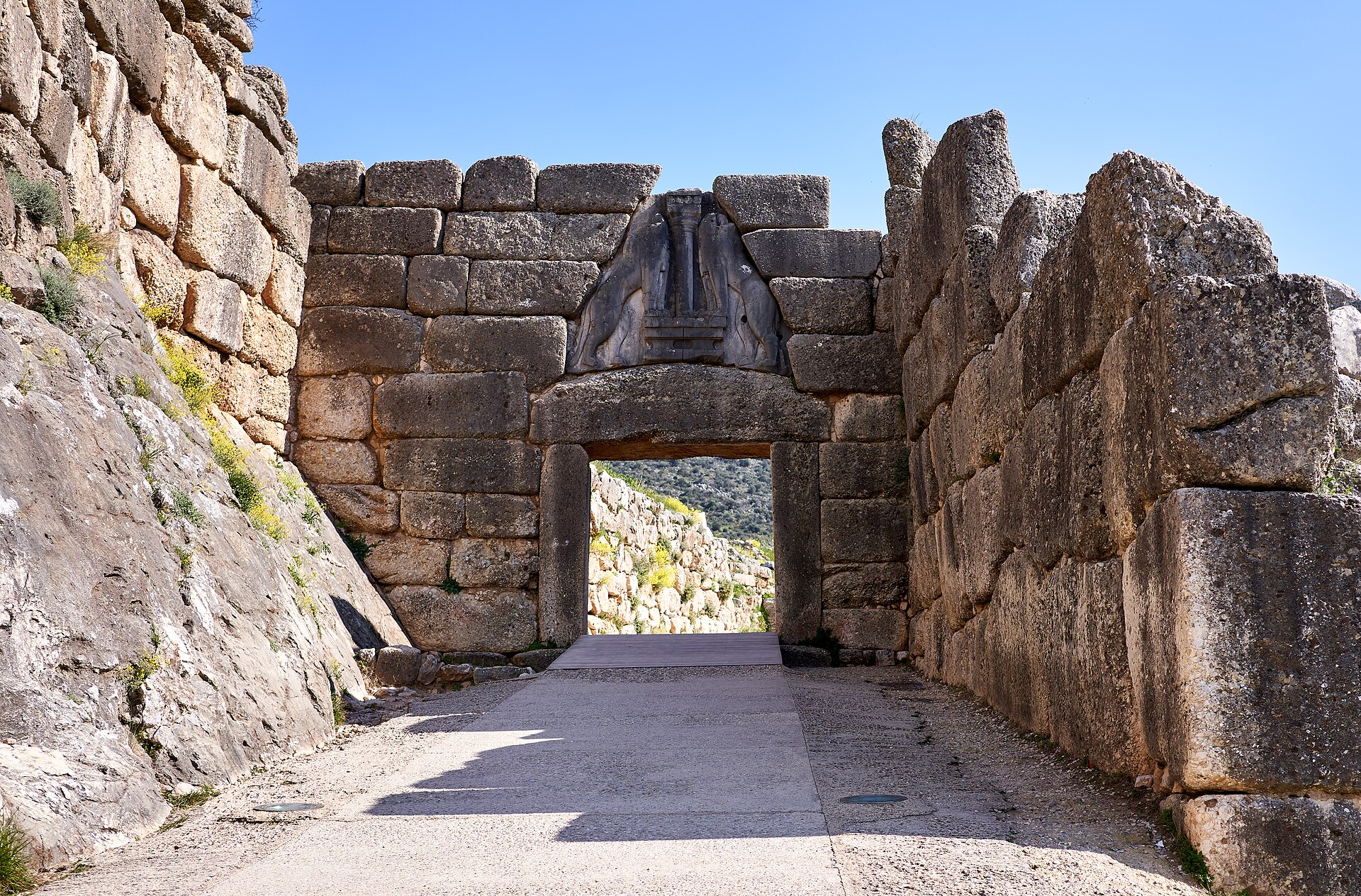
In the Peloponnese, the southern mainland, Mycenae is guarded by the massive Lion Gate. Legend says King Agamemnon ruled here. Its royal tombs, shaped like giant beehives, feel cool and silent inside. Nearby, the great theatre of Epidaurus has such perfect sound that a whisper on stage reaches the top rows.
The old town of Nafplio, by the sea, makes a calm base with marble streets and a hilltop fortress. At Olympia, visitors can stand in the stadium where the ancient Olympic Games were held. On the drive from Athens, most tours stop at the Corinth Canal, a narrow cut through solid rock.
What kind of Greece tours reach ancient Greece?
Full-day trips from Athens by coach reach Delphi, Mycenae and Epidaurus, and they suit first-time visitors on a tight schedule. Smaller tours travel in a minivan with fewer guests, which suits solo visitors and couples who want a calmer day. Guests also get more time to ask questions.
Multi-day Greece tours with hotel nights link Delphi, Meteora and Olympia without rushing. They work well for families, since children get proper rest each night. Retired travelers also love the steady pace and the chance to unpack.
Guided walking tours inside each site explain what the ruins once looked like and how people lived there. Independent travelers can buy entry tickets and explore at their own pace, perhaps with an audio app or a good guidebook. This option suits slow walkers and keen photographers.
Which comforts are part of Greece tours in ancient Greece?
A licensed or local guide is the biggest comfort on Greece tours to the old sites. Many ruins have few signs, so a guide fills in the gods, kings and battles behind each stone. Good guides also know where to find shade and the quietest viewpoints.
Entry tickets included in the trip mean no waiting at the gate in the heat. That small detail helps families with restless children and travelers who tire easily. It also leaves more time for the museums, where the best finds are kept.
On multi-day trips, hotel nights are booked in advance, often in Nafplio or the town below Meteora. Travelers simply unpack, enjoy dinner and wake up close to the next site. That makes long journeys feel easy and calm. Well-rested travelers also enjoy the ancient stories far more the next morning.
What should you remember in ancient Greece?
Most ancient sites have little shade, so visit early in the morning or late in the day. Sites and museums can close earlier in winter, so check opening times before setting out. Monasteries at Meteora also close on certain days, so plan around them. A morning start also means cooler paths underfoot.
Dress modestly for the monasteries, with covered shoulders and knees, since entry depends on it. Pack sturdy shoes, a hat, water and snacks, because some sites sit far from cafés. A light scarf doubles as sun cover and a wrap for holy places. Rest days between long site visits keep energy high.
Conclusion: Best Greece Tours For Relaxed Holidays, Planned Well
Greece tours work for almost every traveler, young or old. That could mean a honeymoon on Santorini, a family week on Crete or a solo trip through the ruins. The trick is matching the tour style to the pace you enjoy. Boats, walks, private drives and multi-day loops all have a place.
Before booking, think about who is coming, what they love and how much rest they need. A short read on choosing the right Greek tour helps narrow the options. With good planning, relaxed Greece tours leave room for sun, stories and long lunches by the sea. Greece will do the rest.
Frequently Asked Questions About Best Greece Tours For Relaxed Holidays
Can Greece tours be private?
Yes, many Greece tours can be booked as private trips with a driver-guide or a skipper. The price covers the whole booking, so families and friends traveling together often find it good value. Private trips also let travelers set the pace, the stops and the length of the lunch break.
Can Greece tours mix islands and ancient sites?
Yes, Greece tours can mix both, and that blend is what many first-time visitors want. A common plan starts with Athens and the mainland ruins, then adds a few relaxed island days for swimming. Multi-day trips often combine both with ferries, flights and comfortable hotel nights along the way.
Which month suits Greece tours best?
Late spring and early autumn suit Greece tours best for most travelers. May, June and September bring warm seas, long days and fewer crowds than the peak of summer. July and August suit beach lovers who do not mind strong heat, busy sites and crowded ferries.
Are Greece tours good for couples?
Yes, Greece tours suit couples very well, from sunset cruises around Santorini to wine tastings in Crete. Private boat trips and guided walks give couples quiet time together, away from the crowds. Many couples also enjoy cooking classes, which end with a shared meal and a glass of local wine.
Which season is quietest for Greece tours?
Winter is the quietest season for Greece tours, with calm ruins and lively local life in the cities. Some island boats and hotels close, though, so the mainland and Crete work best then. Late autumn and early spring offer a gentle middle ground with mild weather and open sites.
How do you pick the right Greece tours?
Start with the travelers: their ages, energy and interests matter more than any list of sights. Then choose a style, such as a boat day, a walking tour or a multi-day loop, and check what comes included. The right Greece tours leave time to rest as well as explore.
How do couples pick Greece tours?
Couples pick Greece tours by matching the pace of the trip to their mood. A slow plan with long lunches, sunset walks and free afternoons suits most pairs best. It also helps to agree on a few shared wishes before looking at any dates or routes.
Talk about the trip you both want
Some couples dream of quiet beaches and clear water, while others want old temples and busy markets. A short, honest talk at home saves a lot of stress later on the road. Each person can name the one experience they would hate to miss.
Small Greece tours work well for pairs, because there is time to chat with the guide and ask questions. Private day trips give even more freedom to stop for photos or a swim. They cost more, but the day moves at the speed the couple chooses.
Good Greece tours also leave space for simple pleasures that no brochure lists. A morning swim, a coffee in a village square or a harbor walk can become a highlight. These small moments need no ticket at all.
Look at the daily rhythm, not just the sights
A long list of famous places looks exciting on paper, but the real days feel very different. Early starts every single morning leave couples tired and short-tempered by the end of the week. The better Greece tours mix a busy morning with a lazy afternoon.
Reading about choosing the right itinerary helps pairs spot plans that try to squeeze in too much. A sensible route stays more than one night in each destination. This reduces packing, checking out and carrying heavy luggage.
Couples who love food should look for Greece tours with a cooking class or a tasting stop at a farm. A guide to Greek food to try makes every menu much easier to read. Shared meals often become the most memorable moments of the holiday.
How do you manage tickets for Greece tours?
Travelers manage tickets for Greece tours by keeping every booking in one safe place. Phone copies and a few paper copies both help when the signal drops on the islands. A simple list of times and meeting points keeps each day calm and organized.
Keep entry tickets and tour vouchers together
Many Greece tours include entry to the big ancient sites, but some leave it out. Travelers should check what the booking covers the night before each outing. This simple step avoids long waits at the ticket desk under the hot sun.
Inside Greek archaeological sites and museums, only state-licensed guides may give guided tours. That rule keeps the stories accurate and helps protect the ancient monuments from damage. Visitors on a guided visit can relax, since the guide handles the entry steps for them.
Some visitors, such as children and students, can get lower entry costs at many sites. A valid ID card is often needed at the gate to prove this. Keeping these cards next to the tickets makes the entrance line move much faster.
Handle ferry and transport tickets with care
Island Greece tours depend on boats, so ferry tickets matter a lot to the whole plan. The guide to booking Greek ferries explains seating, routes and boarding procedures. Travelers should reach the port early, because busy docks can feel confusing at first.
Strong summer winds sometimes change sailing plans between the islands. Simple tips for ferry travel help travelers stay calm when a boat runs late. A spare hour in the schedule keeps one delay from ruining the afternoon.
Some mainland Greece tours rely on buses and trains instead of boats. A clear guide to Greek public transport shows how local tickets work and where to buy them. This helps travelers who add free days before or after their Greece tours.
How do you budget for Greece tours?
Travelers budget for Greece tours by listing what the tour covers and what it leaves out. Meals, snacks, tips and free-day activities often add more than people expect. A small extra fund keeps surprises from spoiling the fun on the road.
Check what the tour cost covers
Two Greece tours with similar costs can offer very different value once the details come out. One includes hotels, breakfasts and entry tickets, while the other covers only transport. Reading the full lists side by side shows the real difference right away.
Most budgets for Greece tours need a few extra lines for daily costs. These small costs come up again and again on almost every trip:
- Lunches and dinners on free days
- Tips for guides and drivers
- Taxis to and from ports
- Snacks, water and sun cream
- Small gifts from local shops
Families have extra costs to think about, such as ice cream, beach toys and spare clothes. The page of family-friendly Greece travel tips covers these needs in plain terms. Planning for them early keeps the mood light for parents and children alike.
People who plan a trip for friends or relatives can learn a lot from a complete guide for organizers. It explains how to share costs fairly and keep everyone informed. Clear money talk before the trip prevents awkward moments later on.
Save money without losing comfort
Travel in the quieter months often costs less than travel in the peak of summer. Hotels and boats feel calmer, and guides have more time for conversation. Many travelers find these off-season Greece tours more relaxed from start to finish.
Packing smart also saves money in small but steady ways. A guide to packing light for island tours helps travelers avoid extra bag fees and heavy lifting. A small bag also makes ferry days and hotel changes much easier.
Eating where locals eat is another practical way to save. A family taverna away from the main square often serves bigger plates for less. Greece tours with free evenings give travelers the chance to find these friendly spots on their own.
How early should you book Greece tours?
Travelers should book Greece tours early for summer trips and island stays. Popular dates fill fast, so booking well ahead gives the best choice of rooms and routes. Spring and autumn trips leave a little more room to wait and compare.
Book early for busy seasons and special events
Summer brings the biggest crowds to the islands and to the famous ruins on the mainland. Greece tours in those busy weeks often sell out well before departure. Early booking also makes it easier to find rooms with sea views and quiet balconies.
Easter is a special time in Greece, with church services, candles and big family meals. Learning how to enjoy local traditions helps travelers plan around these days with respect. Trips during big holidays need extra planning, because many locals travel too.
Travelers who book early also gain time to prepare for the journey. Learning a few simple Greek phrases makes every taverna visit and shop stop friendlier. Even a short “thank you” in Greek brings a warm smile from the owner.
Know when last-minute booking works
Quiet months leave more room for spur-of-the-moment Greece tours and short trips. Day trips from Athens, such as a visit to an old temple by the sea, often have space at short notice. Travelers with flexible dates gain the most from this.
Last-minute Greece tours still need a quick check of the small details. Travelers should read what is included, where the meeting point is and what to wear. Churches and monasteries ask all visitors to cover their shoulders and knees.
The guide to polite travel in Greece explains dress codes and simple manners in a friendly way. Understanding these customs ahead keeps every visit smooth and pleasant. With a bit of planning, Greece tours booked early or late both feel relaxed.
In the end, the best Greece tours are the ones that fit the people taking them. Couples, families, friends and solo travelers all enjoy Greece more with a clear, realistic plan. Good tickets, a fair budget and smart timing turn a trip into a holiday.
Which Greece tours travel by coach?
Coach Greece tours suit travelers who want to see the mainland without driving. A comfortable bus links Athens with Delphi, Meteora and the Peloponnese while a guide explains each stop. Travelers simply sit back, watch the hills roll past and save their energy for the sights.
Classic day trips from Athens
Many coach Greece tours leave Athens early in the morning and return in the evening. Delphi is a favorite, since it sits high on a mountain slope above a sea of olive trees. Ancient Greeks believed this spot was the center of the world.
At Delphi, a priestess called the oracle once gave answers that people believed came from the god Apollo. Kings and ordinary farmers traveled far to hear her mysterious words. Today the ruins of her temple still stand above the valley.
Longer coach Greece tours reach Meteora, where monasteries sit on top of tall rock pillars. Monks built these religious homes centuries ago to live in peace and safety. Visitors now climb stone steps to see painted chapels and wide mountain views.
Multi-day coach routes on the mainland
Some coach Greece tours spend several days circling the Peloponnese, the large peninsula south-west of Athens. Stops often include Mycenae, Epidaurus and Olympia, where the ancient Olympic Games began. Each night brings a new town and a fresh dinner menu.
The ancient theater at Epidaurus is famous for its amazing sound. A coin dropped on the stage can be heard from the top rows of seats. Guides love to show this trick, and visitors always want to try it themselves.
Coach Greece tours also suit travelers who dislike driving on mountain roads. Professional drivers handle the sharp bends, parking and traffic in busy towns. Passengers can rest, read or chat between stops.
Many routes also include a museum next to each site, where statues and pottery stay safe indoors. The guide to Greek art and museums helps travelers know what to look for. Only state-licensed guides may lead tours inside Greek archaeological sites and museums.
Coach travel also passes through small mountain towns that few visitors find alone. A guide to traditional Greek villages shows the kind of places worth a stop. Comfort breaks in these villages often include fresh pies and strong Greek coffee.
Which Greece tours travel by boat?
Boat Greece tours suit anyone who loves the sea, from short day cruises to longer sailing holidays. They reach hidden beaches, sea caves and island harbors that roads cannot. For many travelers, the time spent on deck becomes the best part of the trip.
Day cruises and island hops
From Athens, popular day cruises visit the nearby Saronic islands, such as Aegina, Poros and Hydra. Hydra has no cars, so donkeys and water taxis carry people and their bags. The slow pace makes it a lovely break from the busy city.
In Santorini, boat Greece tours sail around the caldera, a giant bowl left by an ancient volcano. Many trips stop at warm springs where visitors swim in rusty orange water. Evening cruises end with the sun sinking behind the tall cliffs.
Short boat Greece tours also work well for families with young children. A few hours on the water feels exciting without being tiring. Snorkel stops let kids spot small fish in clear, shallow bays.
Watching the sky change color from the water is hard to beat. The list of the best sunset spots in Greece shares more places to enjoy that view. Booking an evening sail early helps on busy summer nights.
Sailing trips and beach days
Sailing Greece tours move slowly from bay to bay, with swim stops along the way. Travelers sleep on board or in small harbor towns. Learning how sailing holidays in Greece work helps first-timers choose the right trip.
Boat Greece tours also reach beaches that are hard to visit by land. Milos is famous for white rocks and sea caves, while Zakynthos has a shipwreck beach under steep cliffs. The guide to top beaches in Greece lists many more.
Sea conditions matter on all boat Greece tours. Summer winds can make the water rough in the afternoon, so morning trips often feel calmer. Travelers who get seasick should sit in the middle of the boat and look at the horizon.
Which Greece tours explore on foot?
Walking Greece tours suit curious travelers who like to see places up close. They range from easy city strolls in Athens to full-day hikes through gorges and mountain villages. Comfortable shoes and a water bottle are the only real gear needed.
City walks through history
Athens walking Greece tours often start below the Acropolis, the rocky hill crowned by the Parthenon temple. Guides lead visitors through Plaka, an old neighborhood of narrow lanes and flower pots. The walk passes ancient ruins, small churches and busy cafes side by side.
Food-tasting Greece tours on foot are another popular choice in Athens and Thessaloniki. Travelers taste olives, cheese pies, honey and sweet pastries in family-run shops. These tours explain how Greek families cook and eat at home.
Walking also gives the best chances for good pictures. Simple photography tips for Greece tours help travelers capture bright walls, blue doors and soft evening light. Early mornings bring quieter streets and fewer people in every frame.
Hikes in gorges and mountains
Crete is famous for the Samaria Gorge, a long walk between towering rock walls down to the sea. The trail opens in the warmer months and suits fit walkers. At the end, a cool swim and a boat ride back wait for tired legs.
In northwestern Greece, the Zagori area offers stone villages linked by old arched bridges. Paths climb into the Vikos Gorge, one of the deepest gorges in Europe. The guide to top hiking trails in Greece covers these routes and more.
Guided hiking Greece tours handle the tricky parts, such as transfers to the trailhead and the ride home. Local guides know where to find shade, springs and the best viewpoints. This makes even long walks feel safe and simple.
The weather shapes every walking plan. Spring and autumn bring mild days, green hills and wildflowers, while summer heat makes midday hikes hard. The guide on the best time to visit Greece helps travelers pick the right season.
Which Greece tours mix several kinds of transport?
Mixed Greece tours suit travelers who want variety on one trip. They combine coaches, ferries, trains, jeeps and walking, so each day feels fresh and different from the last. This style works well for first-time visitors who want a taste of everything.
Land and sea in one trip
Classic mixed Greece tours start with a few days in Athens, then a ferry to the Cyclades. On the islands, small buses or jeeps take travelers to villages and beaches. The journey often ends with a short flight or ferry back to the mainland.
Each mix gives a different view of the country. Popular combinations on mixed Greece tours include:
- A train to the north, then a walk at Meteora
- A ferry to Crete, then a jeep ride into the hills
- A coach to Delphi, then a guided walk around the ruins
- A bike ride in Athens, then a boat to a nearby island
Active travelers can add kayaking, rafting or horse riding to their plans. The guide to adventure activities in Greece shows options on land, at sea and in the air. These extras keep energetic families and friends busy.
Timing mixed trips around festivals and seasons
Mixed Greece tours feel extra special when they meet a local celebration. Village feasts bring music, dancing and long tables of food under the stars. The guide to Greek festivals to experience explains what happens at each one.
Seasons also change which transport works best. Ferries run more often in summer, while winter brings fewer boats and quieter roads. A look at seasonal events in Greece helps travelers match their route to the calendar.
Good mixed Greece tours leave a little slack between each leg of the journey. A late ferry or a slow mountain road should never break the whole plan. With smart timing, every change of transport becomes part of the fun.
Which places do Greece tours visit?
Greece tours visit a mix of sunny islands, ancient mainland sites and large green islands. Most trips pair Athens with a few islands, then add a famous ruin or mountain stop. The best mix depends on how much time travelers have and what they love most.
Islands
The Cyclades islands sit in the middle of the Aegean Sea, and many Greece tours hop between them by ferry. Each island has its own feel, from lively harbors to sleepy fishing villages. White houses, blue doors and windmills appear almost everywhere.
- Santorini: cliff-top villages, blue domes and sunsets over a volcanic bay
- Mykonos: windmills, Little Venice and lively beaches that stay busy late
- Paros: calm fishing harbors, whitewashed lanes and long sandy beaches
- Milos: white moon-like rocks, sea caves and colorful fishing houses
- Ios: golden beaches, a hilltop village and the poet Homer’s legendary grave
Mainland
The mainland holds many of the best-known ancient sites in the country. Coach Greece tours link them with smooth highways, comfortable seats and expert guides who share the stories behind each site. Only state-licensed guides may lead tours inside these archaeological sites and museums.
- Athens: the Acropolis, the Parthenon and lively neighborhoods full of tavernas
- Delphi: the holy mountain site where a priestess spoke for Apollo
- Meteora: religious homes for monks built on giant rock pillars
- Olympia: where the ancient Olympic Games began in honor of Zeus
- Epidaurus: a huge ancient theater with almost perfect sound
Large islands
Larger islands give Greece tours more room for road trips, mountain villages and long beach days. They suit travelers who prefer to unpack once and explore from a single base. Each of these islands has an airport, so getting there from Athens is quick and simple.
- Crete: the Palace of Knossos, deep gorges and endless olive groves
- Corfu: an old town shaped by Italian rulers, green hills and calm bays
- Kefalonia: turquoise beaches, an underground lake and quiet harbor villages
- Zakynthos: Shipwreck Beach, blue sea caves and nesting sea turtles
How do you plan Greece tours over ten days?
Ten-day Greece tours work best in three simple stages. Travelers start in Athens, add a mainland trip to an ancient site, then finish with slow island days. This mix gives history, food and beach time without rushing from place to place.
Start in Athens
Athens makes the natural first stop, since the main international airport serves the city. A couple of days give time to climb the Acropolis and visit the Acropolis Museum. Evenings are perfect for dinner in Plaka or on a rooftop facing the Parthenon.
Many trips begin with a guided walk around the old center. This helps travelers get their bearings before exploring alone. A free afternoon then leaves room for markets, museums or a long rest after the flight.
Some travelers prefer to shape their own route instead of booking a full package. The guide to self-guided itinerary planning explains how to build each day step by step. It also shows where guided Greece tours fit best into a flexible plan.
The first days also set the pace for the rest of the trip. Travelers who rush in Athens often feel tired by the time they reach the islands. A gentle start keeps energy high for the busy middle stage.
Add Delphi, Meteora or the Peloponnese
The middle of a ten-day trip suits the mainland, where good roads lead to famous ruins. Delphi works as a full day trip from Athens, while Meteora is easier with an overnight stay. The Peloponnese offers Mycenae, Nafplio and Epidaurus on a single loop.
Mainland Greece tours give the trip its sense of history. Guides explain old myths, battles and temples in simple words that bring each ruin to life. Travelers return to the coast with a much clearer picture of ancient Greece.
Nafplio, a pretty seaside town that was once the capital of modern Greece, makes a lovely base. The old town has marble streets, a seaside promenade and a fortress high above the harbor. Its cafes and ice cream shops make it popular with families.
Mainland stops also break up the island part of the trip in a smart way. Travelers see olive groves, mountains and small towns that island-only Greece tours miss. The change of scenery keeps the whole holiday interesting.
Travelers with more energy can add a short hike or a visit to a winery in the hills. Local farms often welcome guests for olive oil tastings and simple village lunches. These stops show a quieter side of Greece that few city breaks reach.
Finish on the islands
The last part of the trip belongs to the Aegean Sea and its sunny islands. Ferries leave from Piraeus, the main port of Athens, to the Cyclades. The guide to Greek island hopping explains how to link two islands without stress.
A popular pairing is Santorini and Mykonos, which suits first-time visitors well. The seven-day Athens, Santorini and Mykonos plan shows how that route works over a shorter trip. Extra days can then go to the mainland stage.
Island Greece tours feel best when travelers stay a few nights in each place. Beach days, boat trips and slow dinners by the water need time to enjoy properly. Ending the holiday by the sea leaves everyone rested before the flight home.
Calmer islands such as Paros or Milos suit travelers who want quiet beaches. They offer the same blue water with fewer crowds. Some travelers swap one busy island for one of these quieter choices.
The final night works best close to the airport in Athens. A return to the capital a day before the flight removes the stress of tight ferry times. This simple step also protects the journey home from bad weather at sea.
More questions about Greece tours
Greece tours raise many small, practical questions, from what to wear each day to how much free time the schedule includes. The short answers below cover the ones travelers ask most often.
Do Greece tours give time for shopping?
Yes, most Greece tours include some free time in towns with shops, markets or craft stores. Travelers can buy olive oil, honey, ceramics and handmade jewelry. Full-day tours often stop in a mountain village where local makers sell cheese, herbs, woven bags and other goods.
What should you wear on Greece tours?
Light, breathable clothes work best on Greece tours, along with a hat and sunglasses. Churches and monasteries ask visitors to cover their shoulders and knees. A light scarf solves this quickly, and a thin cardigan or jacket helps on cool evenings by the sea.
Do Greece tours provide water?
Many Greece tours offer bottled water on the coach or boat, but travelers should still carry their own bottle. The summer heat makes regular drinking essential. Small shops and cafes near the big sites make refills easy, and a reusable bottle cuts plastic waste.
Can you add free time to Greece tours?
Yes, travelers can add free time to Greece tours by booking extra nights before or after the trip. Many routes also include free afternoons. Private tours give the most freedom, since guests choose when to stop for a swim, a coffee or a rest.
Which shoes suit Greece tours?
Comfortable walking shoes with good grip suit Greece tours best. Ancient sites have uneven stones, and polished marble paths can feel slippery. Sandals work well for beach days and boat trips, while proper hiking shoes suit gorge walks and rocky mountain trails.
Can friends join Greece tours from different hotels?
Yes, friends in different hotels can join Greece tours together. Many tours offer pickups from several central hotels or one shared meeting point. Each person should give their hotel name when booking, so the driver knows every stop.
See more in Agrotheodosiou: